
If you asked most people what they want out of life, “to be happy” would probably top the list. Happiness has become the modern measure of success. We track it, post about it, pursue it, and sometimes worry when we don’t feel enough of it.
But what if happiness, as wonderful as it is, isn’t the deepest foundation for a meaningful life?
A recent article in Neuroscience News highlighted research from the University of Missouri that explored this very question. Across six studies involving more than 2,300 participants, researchers examined a wide range of positive emotions—happiness, gratitude, excitement, contentment, amusement—and asked which one most consistently predicted a sense that life is meaningful.
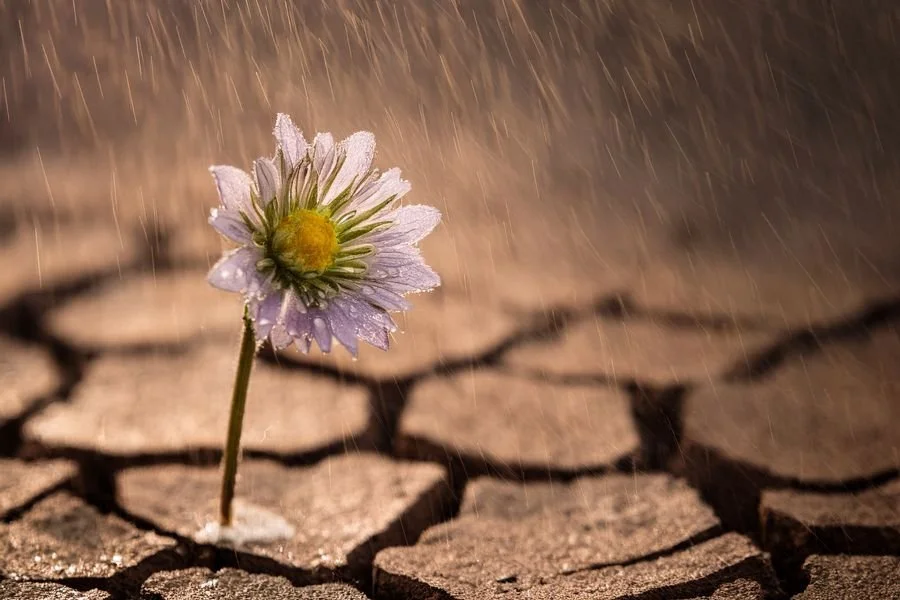
The emotion that stood out wasn’t happiness. It was hope.
The Limits of Happiness
Happiness is powerful. It strengthens relationships, improves resilience, and makes life more enjoyable. There is nothing trivial about it.
But happiness is often circumstantial. It reflects how we feel about what is happening right now. When things are going well, happiness comes more easily, but when life is uncertain, it can be harder to feel joy.
If happiness is our primary definition of a good life, then our well-being fluctuates with events we often cannot control. That can leave us feeling as though meaning itself is unstable.
Why Hope Changes Things
Unlike happiness, hope is not confined to the present moment; it stretches forward. It is the emotional experience of believing that the future is open, that growth is possible, and that circumstances are not fixed.
For years, psychologists largely framed hope as a cognitive tool connected to goal-setting. We hope to achieve, to improve, to reach milestones. But the Missouri researchers suggest that hope is not just a strategy but a vital emotional experience that directly fosters meaning.
Why would that be?
Because meaning requires continuity. It requires the belief that today connects to tomorrow. Hope provides that bridge. It allows us to see our lives as unfolding stories rather than disconnected episodes.
You can be in the middle of a difficult season and still experience hope. In fact, hope may be most visible when happiness is harder to access. It does not deny hardship; it insists that hardship is not permanent.
That belief alone can change how we experience our lives.
Hope in Everyday Life
One of the most encouraging findings in the research is that meaning (and the hope that fuels it) is not rare or reserved for extraordinary moments. It is available in everyday life.
The researchers suggest that cultivating hope can begin with something as simple as noticing small positive experiences. Recognizing when something goes well, even briefly, reinforces the sense that good outcomes are possible.
Seizing small opportunities during hard times also builds hope. Taking even modest steps forward creates momentum and counters the feeling of being stuck.
Appreciating growth, whether in ourselves, our families, or our work, strengthens belief in the future. Progress signals that change is happening.
And nurturing activities also carry weight. Caring for children, mentoring someone, tending a garden, or investing in a long-term project all show confidence in the future.
Rethinking the Meaning of Life
So what does this mean for the larger question of life’s meaning?
Perhaps meaning is less about maintaining a steady state of happiness and more about looking forward with trust. Happiness makes life pleasant. Hope makes life purposeful.
It may be worth shifting the question slightly. Instead of asking only whether we feel happy, we might ask where we feel hopeful. What future are we investing in? What growth are we choosing to believe in, even if we can’t yet see the outcome?
Hope begins with a simple assumption: that the story isn’t finished. That what we do today still connects to what comes next. That change is still possible. And that may be the difference between a life that feels good and a life that feels meaningful.
Happiness Posts is published by Darin M. Klemchuk founder of Klemchuk PLLC, an intellectual property law firm located in Dallas, Texas and co-founder of Engage Workspace for Lawyers, a coworking space for lawyers. He also publishes the Ideate (law) and Elevate (law firm culture) blogs. You can find more information about his law practice at his firm bio and also at his BioSite.
