Making Room for Rest: A Gentler Start to the New Year
The holidays are often described as “magical,” but let’s be honest—they can also be exhausting.
Between gatherings, travel, gift-giving, hosting, end-of-year deadlines, and the emotional weight that often comes with this season, many of us arrive at January feeling a little wrung out. The calendar flips to a new year, and suddenly we’re expected to feel refreshed, motivated, and ready to charge ahead.
But what if the best thing you could do right now… is rest?
Why Post-Holiday Rest Matters
The weeks leading up to the holidays tend to be full-on. Even joyful moments require energy. When that season ends, your mind and body don’t automatically bounce back just because the decorations come down.
Rest after the holidays isn’t about being lazy or unproductive. It’s about allowing yourself time to recover from sustained effort. Just like muscles need recovery after exercise, your nervous system needs downtime after prolonged stress (even the “good” kind).
Without intentional rest, fatigue has a way of sneaking into everyday life. You might feel more irritable, less patient, or emotionally flat. You may notice it’s harder to feel excited about things that usually bring you joy. Rest helps restore your baseline so happiness has room to show up again.
Rest is Not Something You Have to Earn
Many of us have internalized the idea that rest is a reward. We tell ourselves we’ll rest after we finish everything on our list. After we get ahead. After we’re more productive. After we deserve it.
The problem? That “after” rarely comes.
Rest isn’t a prize for burning yourself out—it’s a basic need. When we treat rest as optional or indulgent, we end up running on empty and wondering why everything feels harder than it should.
You don’t need to justify rest by being exhausted enough. You don’t need permission. And you don’t need to wait until you’re at your breaking point. Rest is part of what allows you to function well, think clearly, and show up with more presence and patience.
How Rest Supports Long-Term Happiness
Happiness isn’t just about positive moments; it’s also about sustainability. When your life is constantly go-go-go, even good things can start to feel overwhelming.
Rest creates space. Space to process experiences. Space to reconnect with yourself. Space to notice small joys again.
When you’re rested, you’re more likely to:
Feel emotionally balanced
Respond instead of react
Experience gratitude more naturally
Have the energy to do things that genuinely make you happy
In other words, rest doesn’t take away from happiness. It makes it possible.
What Making Room for Rest Can Look Like
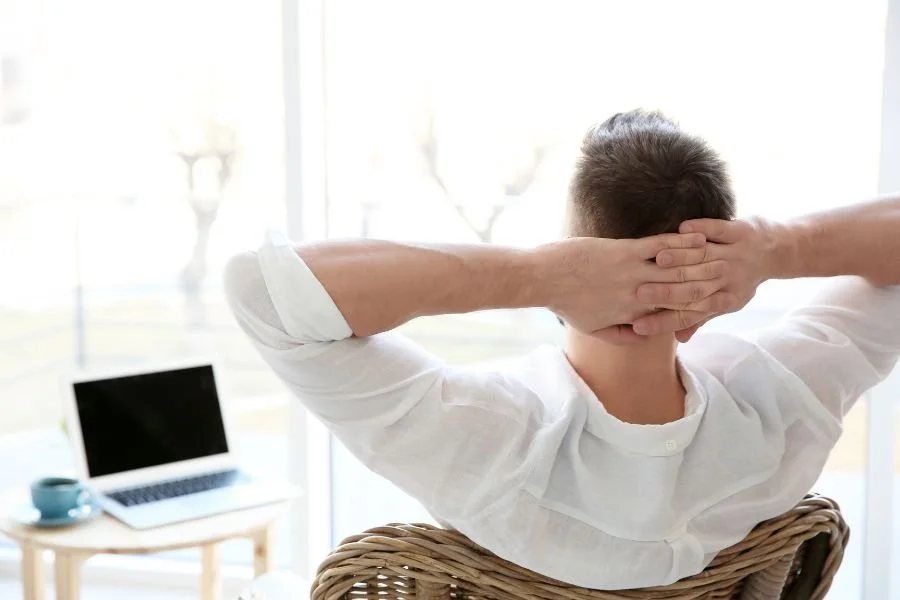
Rest doesn’t have to mean a full day off or a vacation (though those are wonderful if you can swing them). Sometimes it’s about small, intentional choices.
It might look like:
Keeping your schedule lighter during the first weeks of January
Saying no to things that feel unnecessary or draining
Letting yourself ease into the new year instead of rushing into resolutions
Going to bed earlier without guilt
Taking a quiet walk or spending a few minutes doing nothing at all
These small acts of rest add up. They send a message to your mind and body that you’re allowed to slow down and that you matter beyond what you produce.
A Gentler Way to Begin the Year
The start of a new year doesn’t have to be about pressure, transformation, or doing more. It can be about recovery, listening, and creating space for what comes next.
As we move into January, consider this: What if rest isn’t something you squeeze in later, but something you prioritize now?
Making room for rest after the holidays might be one of the kindest—and happiest—ways to begin the year.
Happiness Posts is published by Darin M. Klemchuk founder of Klemchuk PLLC, an intellectual property law firm located in Dallas, Texas and co-founder of Engage Workspace for Lawyers, a coworking space for lawyers. He also publishes the Ideate (law) and Elevate (law firm culture) blogs. You can find more information about his law practice at his firm bio and also at his BioSite.
